MISSOULA CHAMBER MUSIC COLLECTIVE PRESENTS
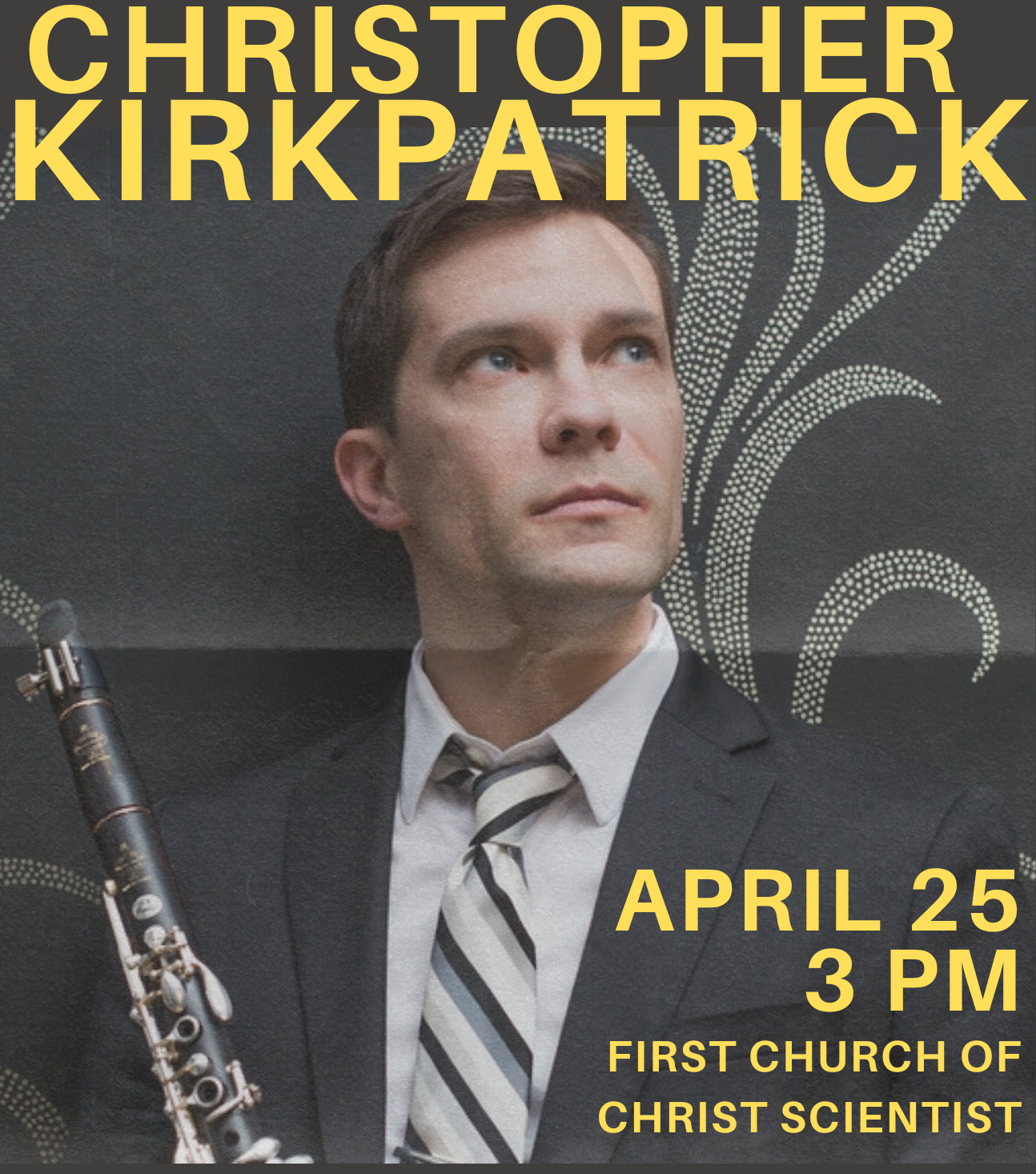
UM professor of clarinet Christopher Kirkpatrick joins forces with soprano Caitlin Cisler and UM professor of piano Christopher Hahn to bring you a unique chamber concert experience.
Join us on April 25 for a trio arrangement of the final movement from Mahler’s Fourth Symphony, David Biedenbender’s song cycle All we are given we cannot hold, and Ivette Herryman Rodríguez’s song cycle De otro mundo.
While you may be familiar with Gustav Mahler, the trio is thrilled to introduce you to new faces in American composition David Biedenbender and Ivette Herryman Rodríguez. Learn more about them below ↓
Donations are always welcome to support our mission of providing fair fees to our musicians.
Thank you for your support!
Featured Composers

The text for these songs are poems by Robert Fanning. “All of the poems connect in some way to the idea of the fleeting––the ephemeral––often capturing some small, seemingly ordinary moment, and finding a profundity and beauty within it.” - David Biedenbender
Learn more about David Biedenbender at https://davidbiedenbender.com/
All we are given we cannot hold (2022)

“The three songs in the cycle use text from the poem Domingo Triste (Sad Sunday) by José Julián Martí Pérez, a Cuban author from the 19th century. There is a deep sadness in the text that is related to being far from home. Personally, the music I wrote for this cycle is inspired by my memories of Cuba, and what it has felt like for me to not live there anymore.” - Ivette Herryman Rodríguez
Learn more about Ivette Herryman Rodríguez at https://ivetteherryman.com/
De otro mundo (2022)
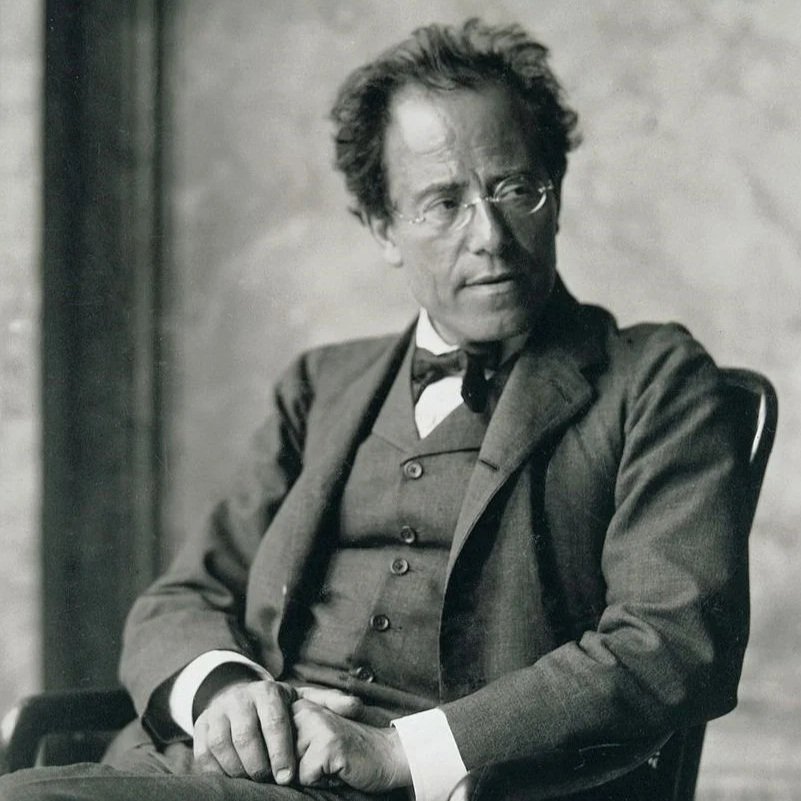
Gustav Mahler
IV. Das himmlische Leben (“The heavenly life” 1899-1900)
In the fourth movement of Symphony No. 4, the soprano joins the orchestra to sing Das himmlische leben. The poem describes scenes and characters from a child’s joyful view of heaven. The text is from Des Knaben Wunderhorn, a collection of German folk poems and songs and important source of idealized folklore in the Romantic nationalism of 19th century Germany. Mahler numbered this collection among his favorite books and set its poems to music throughout his life.